
The Casino Heist Payout: An In-Depth Analysis
Typically, the casino takes a percentage of the pot, capped at a certain amount, which varies depending on the casino’s policies. One of the primary ways casinos make money from poker is through the «rake.» The rake is a fee taken by the casino from each pot during a cash game. This means that regardless of the outcome of individual hands, the casino consistently earns revenue from the total amount wagered by players. The rake is a significant source of income for casinos, especially in high-stakes games where pots can reach substantial amounts. For instance, a casino may take a 5% rake up to a maximum of $5 from each pot.
 Moreover, casinos leverage the social aspect of poker to encourage players to stay longer and gamble more. This strategy not only enhances the overall experience but also increases the likelihood that players will continue to gamble, whether at poker tables or other gaming options within the casino. By providing complimentary services such as food, drinks, and entertainment, casinos create an inviting atmosphere that keeps players engaged. The longer players stay, the more money they are likely to spend, which ultimately benefits the casino’s bottom line.
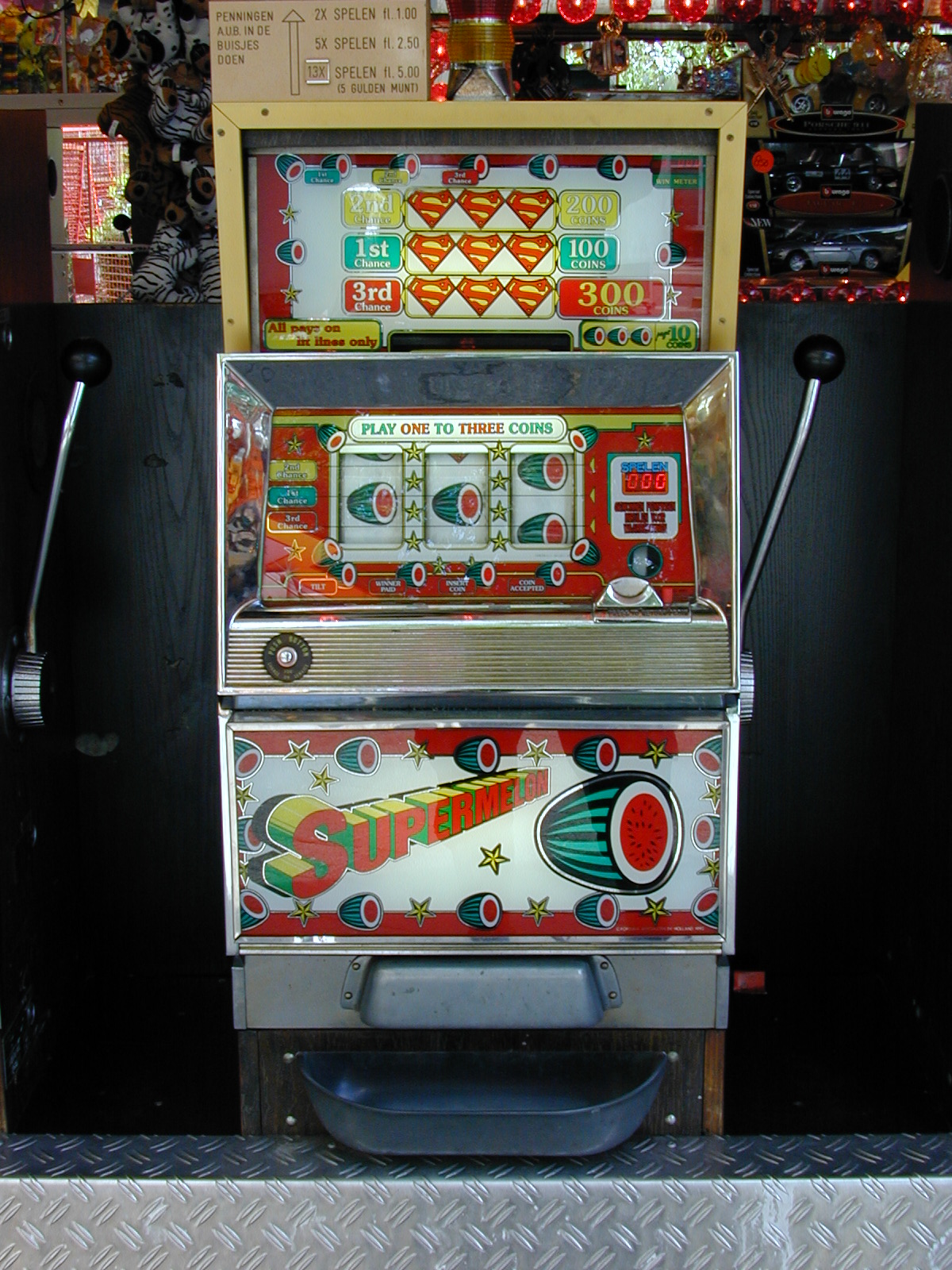
When a winning combination is achieved, the machine rewards the player with a payout, which can vary in size depending on the rarity of the combination and the amount wagered. The objective is to align these symbols in a specific combination across designated paylines, which are the lines that determine winning outcomes. The basic premise of a slot machine is relatively simple. Players insert money, either in the form of coins, bills, or electronic credits, and then spin the reels, which are typically adorned with various symbols.
Reports of heists can range from a few thousand dollars to millions, depending on the circumstances. The primary motivation for conducting a casino heist is the potential for substantial financial gain. For instance, the infamous Bellagio heist in Las Vegas in 2010 resulted in a payout of approximately $1.5 million in cash, showcasing the lucrative potential of such crimes. The payout from a successful heist can vary significantly based on the scale of the operation, the level of planning involved, and the specific assets targeted. Casinos are known for their vast amounts of cash and valuable assets, making them attractive targets for criminals.
Others may employ more sophisticated tactics, such as insider knowledge or technological tools. Such methods highlight the varying levels of risk and reward associated with casino heists. For example, in the 2017 theft from the Mandalay Bay hotel, the perpetrator utilized a combination of planning and access to hotel infrastructure to execute his crime. In terms of methods, casino heists can be categorized into several approaches. Some criminals opt for brute force, using weapons or intimidation to gain access to cash reserves.
The ease of play and the allure of jackpots can lead to problem gambling for some individuals. Casinos often implement responsible gaming measures, such as self-exclusion programs and limits on betting, to help mitigate these risks. Despite their popularity, it is important to recognize the potential risks associated with slot machine gambling.
With various transportation options, a diverse range of gaming and dining experiences, and luxurious accommodations, Winstar Casino has established itself as a premier getaway for Dallas residents. Whether for a day trip or a weekend escape, the proximity of Winstar to Dallas continues to attract visitors looking for fun and excitement just a short drive away. In conclusion, the distance from Dallas, Texas, to Winstar Casino is approximately 90 miles, making it an easily accessible destination for those seeking entertainment and freshbet promo code leisure.
This model not only attracts players but also ensures that the casino benefits from the tournament structure. For example, if a tournament has an entry fee of $100, the casino may take $10 for hosting the event, leaving $90 for the prize pool. These tournaments often require an entry fee, which contributes to the prize pool that players compete for. The casino typically retains a percentage of the entry fees as a form of revenue, further solidifying their profit margin. In addition to the rake, casinos also charge players a fee for participating in poker tournaments.
While players engage in the game with the hopes of winning money, casinos have developed a range of strategies that ensure they profit from poker games. Casinos have long been associated with various forms of gambling, but poker stands out as one of the most popular games played in these establishments. This report delves into the mechanisms through which casinos generate revenue from poker, highlighting the structure of the game, the role of the house, and the various fees associated with playing poker in a casino environment.
Understanding these mechanisms highlights the intricate relationship between players and casinos, where the thrill of the game is paired with the business acumen of the house. As poker continues to evolve, so too will the methods by which casinos generate income from this classic card game. Through the rake, tournament fees, time collection, and enhanced player experiences, casinos create a sustainable revenue model that capitalizes on the popularity of poker. In conclusion, casinos utilize various strategies to ensure profitability from poker games.